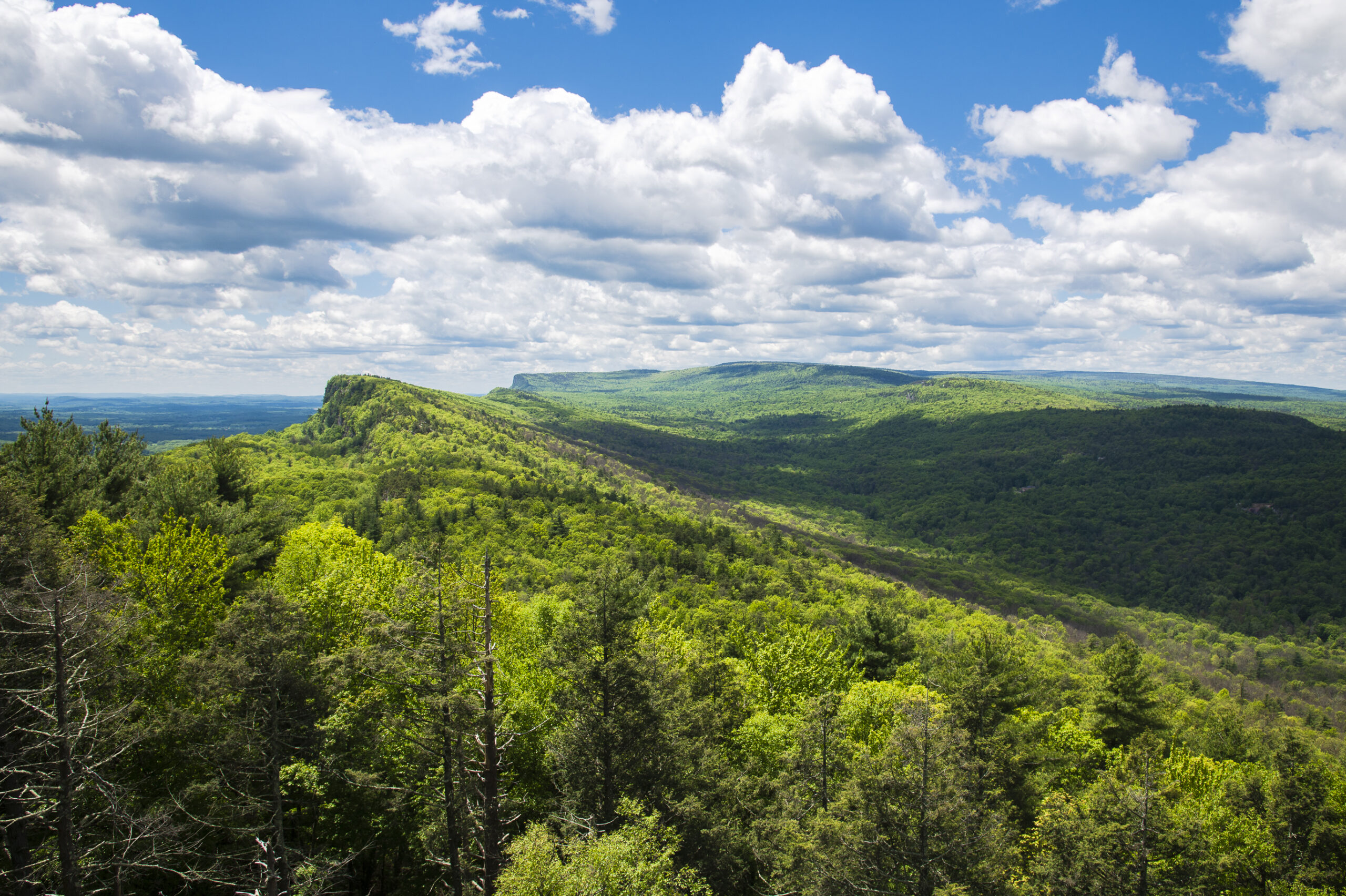
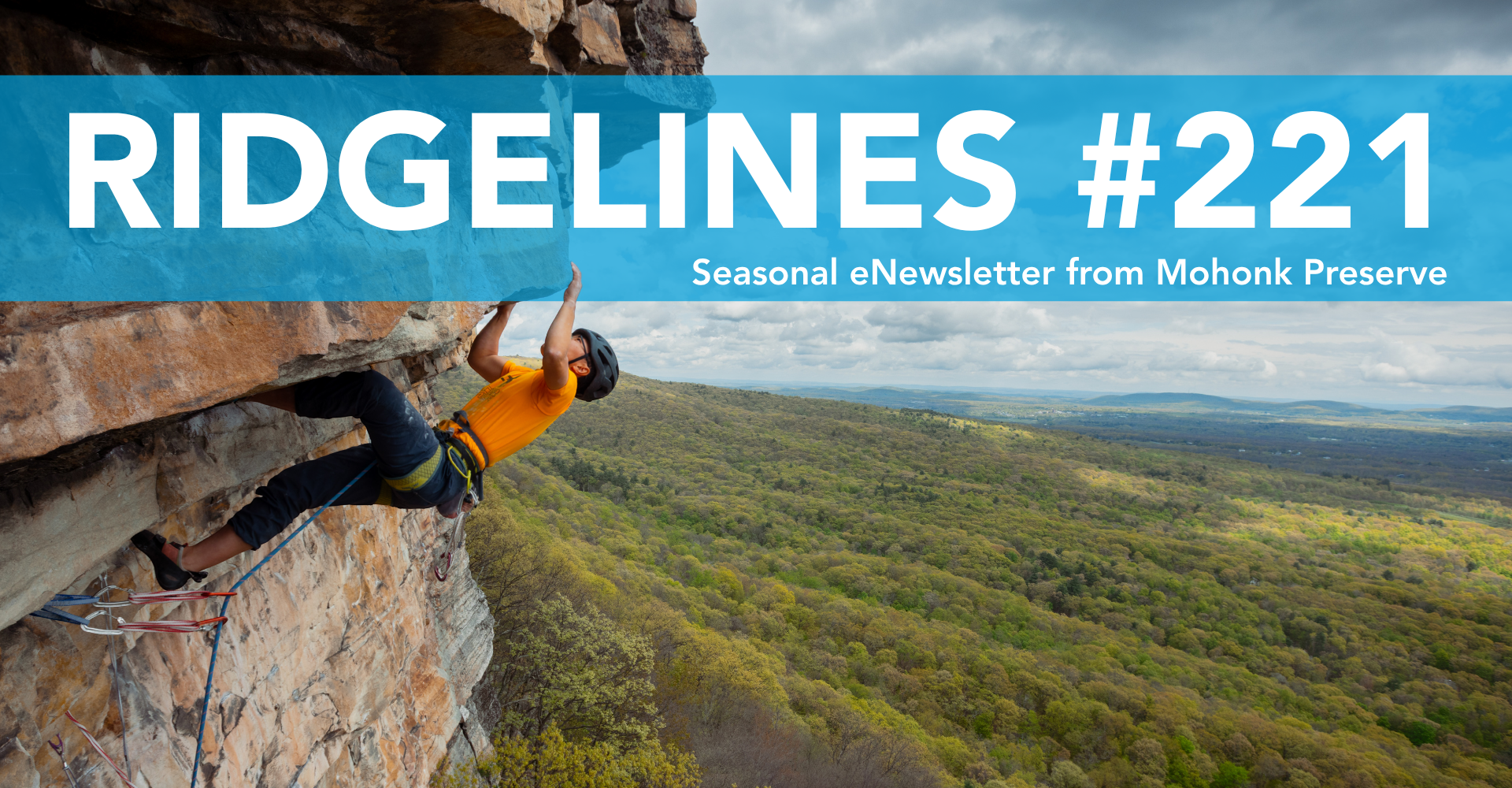
Spring’s arrival on the Shawangunk Ridge has been dynamic this year, with early heat one week and cool mountain breezes the next. Through every shift, the land awakened in spectacular ways. Fox kits ventured from their dens, young black bears stirred from winter rest, and hikers and bikers returned to the trails they love.
In this issue of Ridgelines, you’ll explore the latest Gunks Safe Climbing initiatives, step into a “day in the life” with our new Watershed Technician, and hear from a Volunteer Trail Keeper whose stewardship work supports our mission.
Before the Call Comes: Preventing Search and Rescue Emergencies at the Gunks
“Spring in the Gunks brings a familiar rhythm: skis get stored, rock climbing gear racks come out, and the Carriage Road fills with climbers eager to return to the cliffs. The energy is contagious, like walking through a lively high‑school hallway filled with familiar faces and fresh stories.”
But with that excitement comes a quieter concern. As Chief Ranger Dan Cassidy explains, “Many climbers return with big goals after a long winter. A common refrain is, ‘I was leading 5.11 last fall, I’m ready to get back on my project.’” After nine years of rescue work, Dan knows that enthusiasm mixed with rusty skills can lead to injuries.
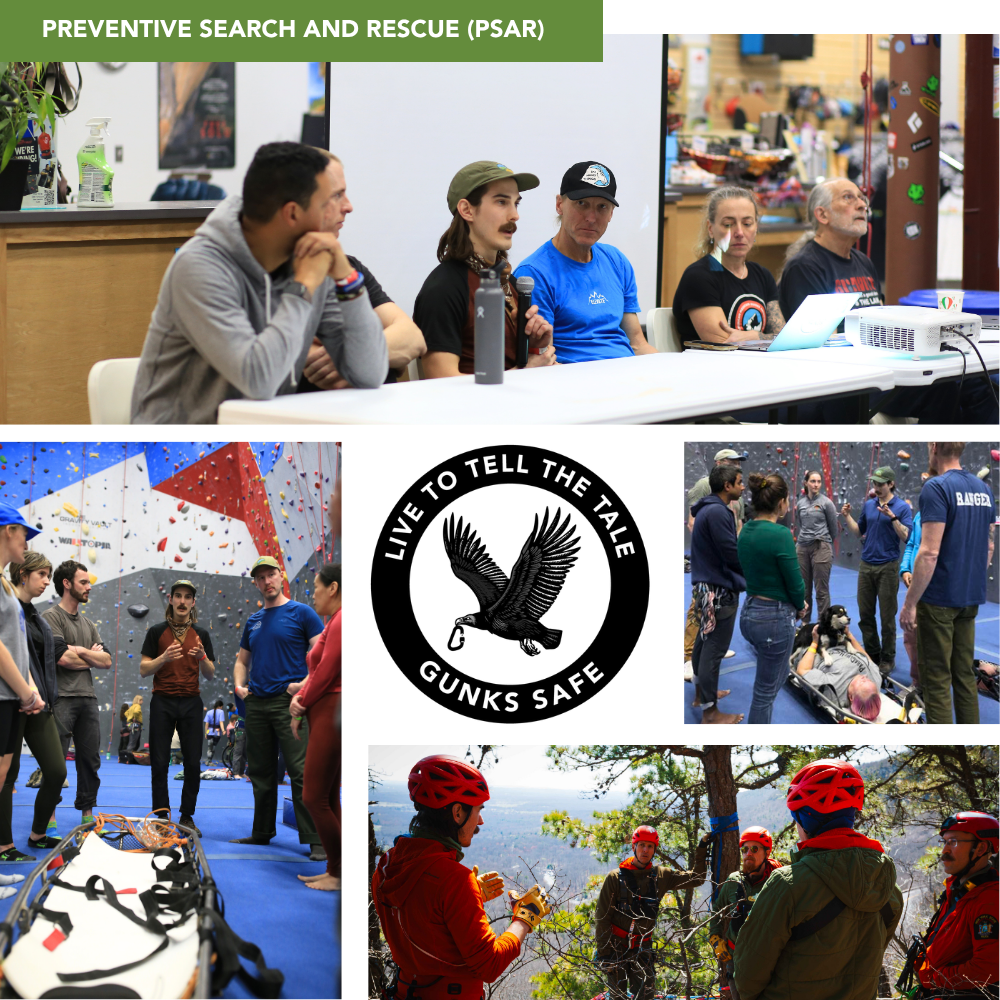
Accidents on the cliff can happen to even the most experienced climbers. This led Dan to the question, how can accidents be prevented before they happen? Inspired by the Preventive Search and Rescue (PSAR) model from the Grand Canyon National Park, he set out to develop a rock-climbing specific PSAR program tailored to the Gunks.
PSAR focuses on stopping emergencies early through education, outreach, and hands‑on learning. Rangers developed public programs, improved signage, and created opportunities for visitors to practice essential skills before they ever leave the ground.
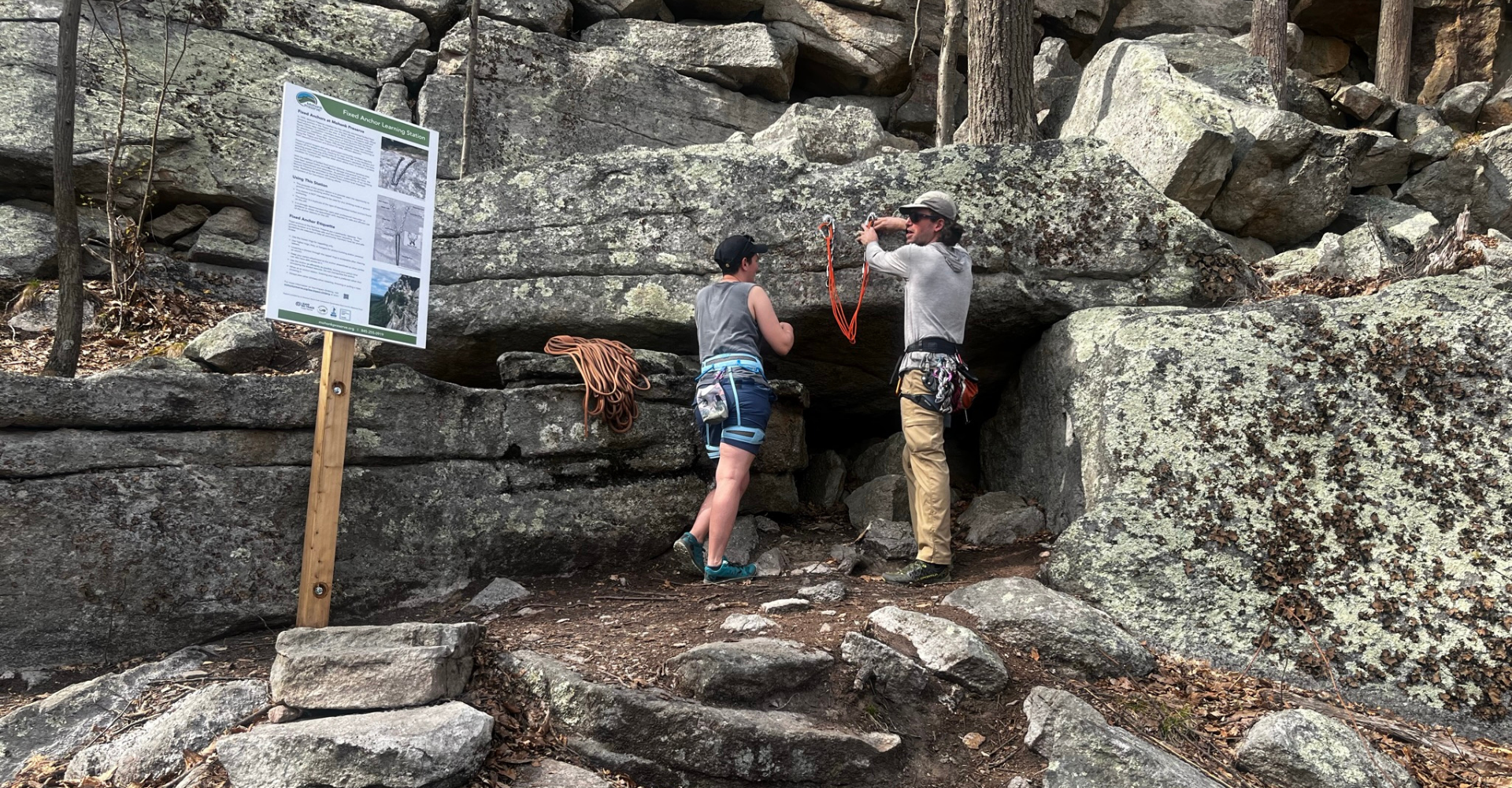
One of the most visible additions is the Fixed Anchor Learning Station, installed in 2022 at the Trapps. The anchor station quickly became a hub for guided groups, new climbers, and anyone wanting to refresh their skills. “Sometimes there’s even a line of climbers to use it,” Dan says. A second station was added in fall 2025 to meet growing demand.
Beyond the cliff, Rangers bring PSAR into the community. Outreach events at local climbing gyms and at the Preserve introduce climbers to the realities of Search and Rescue; how rescues unfold, common accident patterns, and simple steps to avoid becoming part of those statistics.
A follow‑up clinic “Emergency! Now What?” teaches climbers what to do if an accident does occur. Participants learn how to assess injuries, protect an injured climber, and practice carrying a rescue litter (a specialized stretcher used during rescues).
The impact of this work became clear in 2026, when a climber who had attended a PSAR presentation used those skills to assist an injured partner after a fall in the Trapps. It was a full‑circle moment where education directly prevented further harm.
Dan’s leadership has shaped much of the Preserve’s modern rescue and education efforts. Since joining as a Seasonal Ranger in 2017, he has advanced through multiple roles and strengthened both the rescue program and the Preserve’s Leave No Trace initiatives. His PSAR work has gained national attention, including recognition from the American Alpine Club.
Dan will be leaving the Preserve this June to continue his pursuit of sustainable recreation through a graduate degree in Parks, Tourism, and Recreation Management. Look out for his article on Preventive Search and Rescue in the next edition of Accidents in North American Climbing.
A Day in the Life of a Watershed Education & StreamWatch Technician
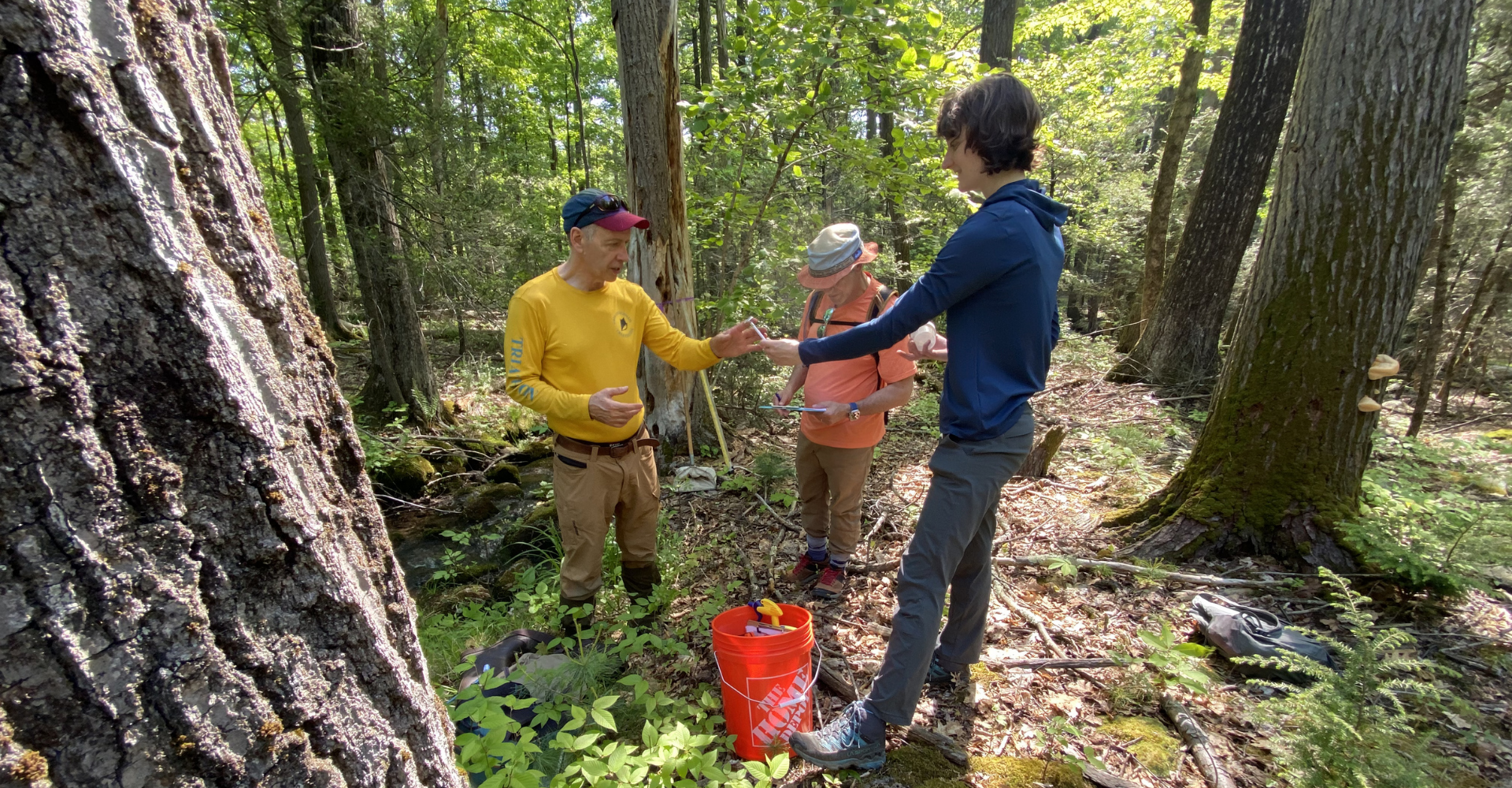
Meet Isabel Ruff, the new Watershed Education & StreamWatch Technician at Mohonk Preserve. Most days, you can find Isabel in her natural habitat by a river or streamside, holding a handful of eels for conservation monitoring or spotting frogs tucked into mossy banks. She moves through the landscape easily, guided by a deep curiosity about the natural world.
“I love how connected to the land I feel in this position,” said Isabel. “I’m enjoying getting to know the area in so many different capacities and it’s very energizing to talk to volunteers or students and experience their passion for nature.”
No two mornings look the same. Some days begin with documenting invasive species along stream corridors or training volunteers to survey macroinvertebrates, tiny aquatic organisms that reveal the health of an ecosystem. Other days she’s in the office assisting with research projects and adding observations to long‑standing datasets that track the impacts of climate change.
“One thing I really like about my role is that each day and week feels very different,” added Isabel. “Splitting my time between Conservation Science and Community Education, my weeks are a mix of fieldwork and office tasks. One day I might be observing a third‑grade program on stream habitats and animal adaptations; the next, I’m in the office organizing watershed data. Each week feels different based on how far we are into both the season and the school year.”
Education is where her work expands even further. Isabel spends time with schoolchildren and public program participants, helping them build connections to the natural world. This summer, she’ll be working closely with the education team to update curriculum to include more conservation science data.
“Right now, I’m using StreamWatch data to help update field studies and bring more watershed learning into the curriculum,” Isabel noted. “I’m excited to try out the updated programs and see students learn from data collected by StreamWatch volunteers.”
Through it all, Isabel embodies what it means to be both a scientist and an educator by being curious, attentive, and deeply committed to protecting our waterways through outreach and education. Her days may shift between departments or with the seasons, but her purpose remains steady: to inspire others to care for the ecosystems that surround us.
“I am very passionate about the environment, interested in the relationship between land and water, and how people connect to them both,” said Isabel. “It’s very exciting to see folks find joy in connecting with the world around them, whether that’s learning about a new critter, pulling a story out of their water quality data, or finding something to wonder about.”
The Watershed Education & StreamWatch Technician position was made possible through generous support from the NYS DEC’s Hudson River Estuary Grants Program, the M&T Charitable Foundation, and the Bank of Greene County, as part of Mohonk Preserve’s Hudson River Watershed Education Project. Their investment ensures that dedicated stewards like Isabel can continue monitoring our streams, educating the community, and strengthening the long‑term science that helps safeguard the Hudson River watershed.

A Better Way In: Respecting Access at Pine Road
By Jim Ulvestad, Mohonk Preserve Volunteer Trail Keeper
Like many who spend time on the trails of Mohonk Preserve, I try to approach each visit with a simple mindset: enjoy the landscape and leave it as I found it. That includes not just how I move on the trails, but how I get there.
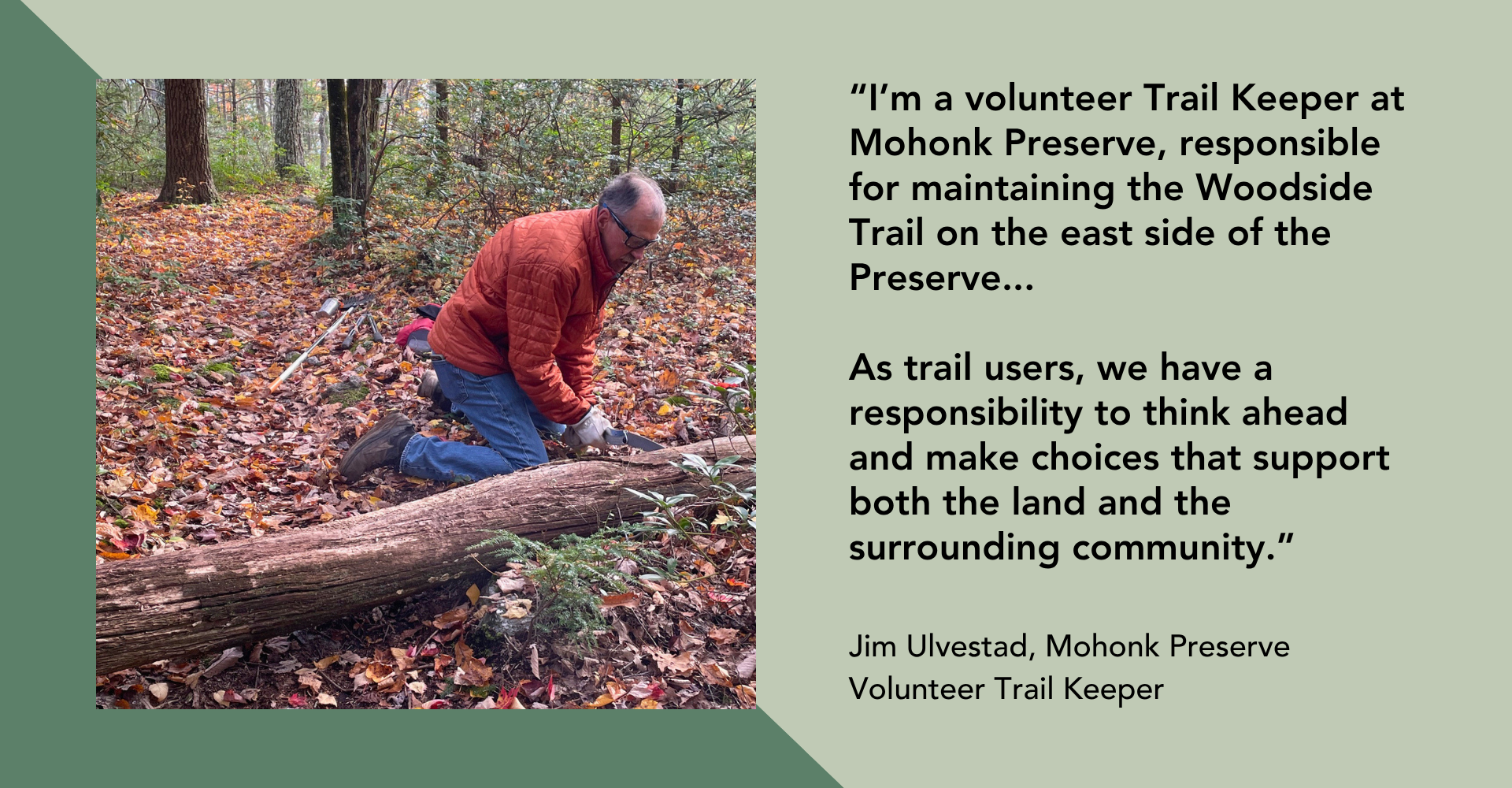
I’m a volunteer Trail Keeper at Mohonk Preserve, responsible for maintaining the Woodside Trail on the east side of the Preserve. A popular means of accessing the east side Preserve trails is by parking near the top of a public road, Pine Road. In recent years, access via Pine Road has become increasingly popular. It’s easy to see why. The rise in outdoor recreation following the pandemic, the growing visibility of the River-to-Ridge Trail, and the influence of social media and trail apps have all pointed more people toward this route, often promoted as the quickest way to destinations like Duck Pond, Skytop, or the Labyrinth.
But convenience doesn’t always equal sustainability.
Pine Road is a narrow, residential roadway with limited parking. On busy days, vehicles line the shoulders—sometimes illegally—creating safety hazards for pedestrians and drivers alike. In some cases, parking spills too close to steep edges, contributing to erosion and long-term damage to the landscape. The result is a situation that affects not only visitors, but also neighbors and emergency access.
As trail users, we have a responsibility to think ahead and make choices that support both the land and the surrounding community.
That starts with doing a bit of research before heading out. Mohonk Preserve offers several alternative access points that provide a safer, more sustainable start to your day, and often a more rewarding one.
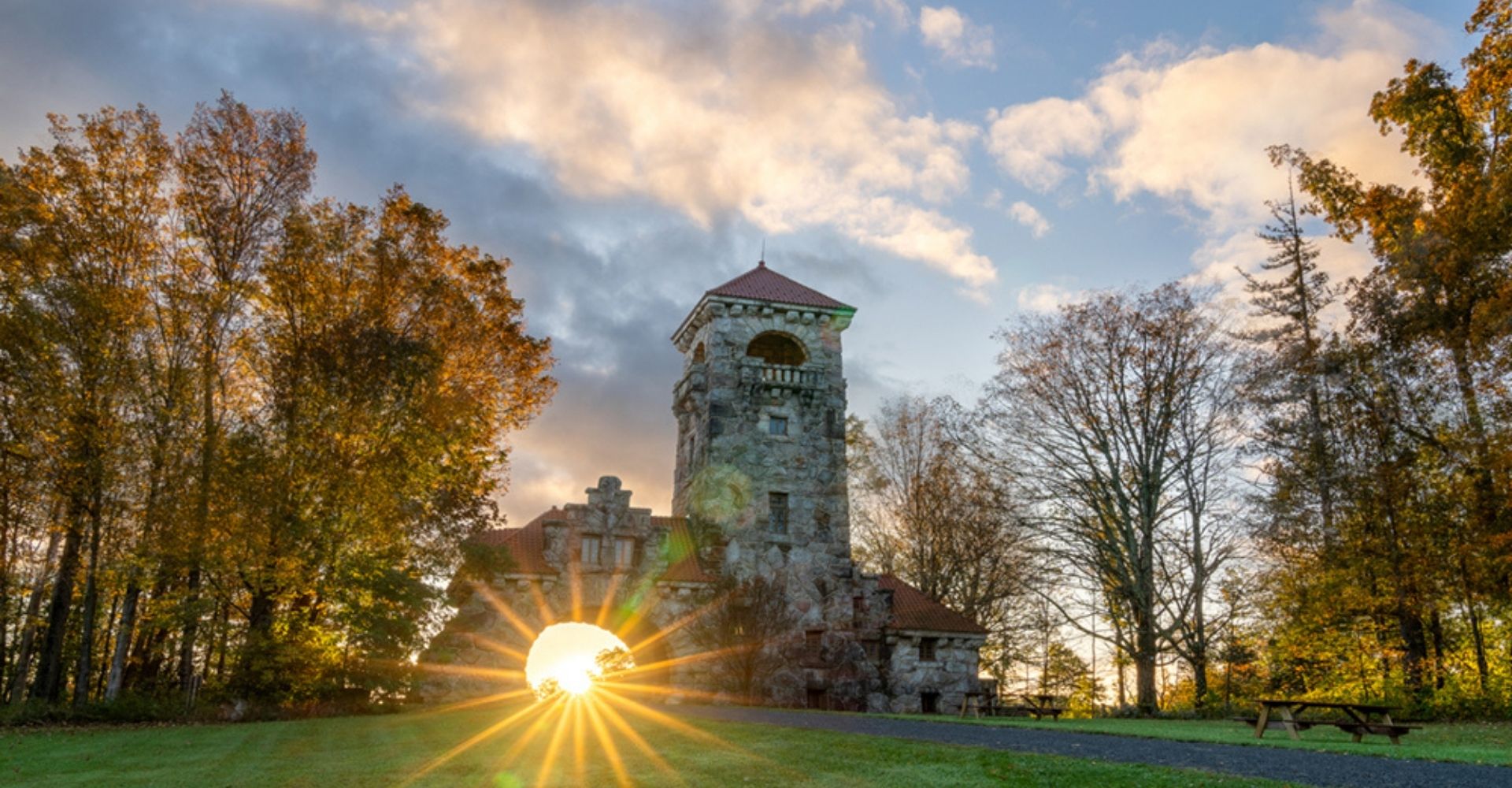
One option is Testimonial Gateway, a historic entrance that offers access via Pin Oak Allée and the Lenape system of trails and carriage roads. From here, you can follow Lenape Lane across open fields and past the outlet of the Kleine Kill draining Humpo Marsh. Along the way, you’ll pass the Brook Farmhouse, soon to be home to the Preserve’s Conservation program, before continuing toward Duck Pond and the upper watershed.
Another strong alternative is Spring Farm, located off Mountain Rest Road. This access point opens up a wide range of northern trails and carriage roads, including routes to Bonticou Crag and the Table Rocks Trail, while still providing connections toward Mohonk Mountain House destinations.
Choosing these access points helps reduce congestion at Pine Road, improves safety, and minimizes unintended impacts on both natural resources and neighboring properties.
The broader point is simple: how we access the land is part of how we care for it. A little planning—checking maps, understanding parking limitations, and knowing your options—goes a long way toward preserving the experience for everyone.
Mohonk Preserve continues to work toward long-term solutions for Pine Road. In the meantime, visitors can play an important role by adjusting their habits now. This can lead to a better experience, ensure safety, and protect the land for the future.
Learn more:
A Legacy That Lasts: How You Can Protect the Shawangunk Ridge
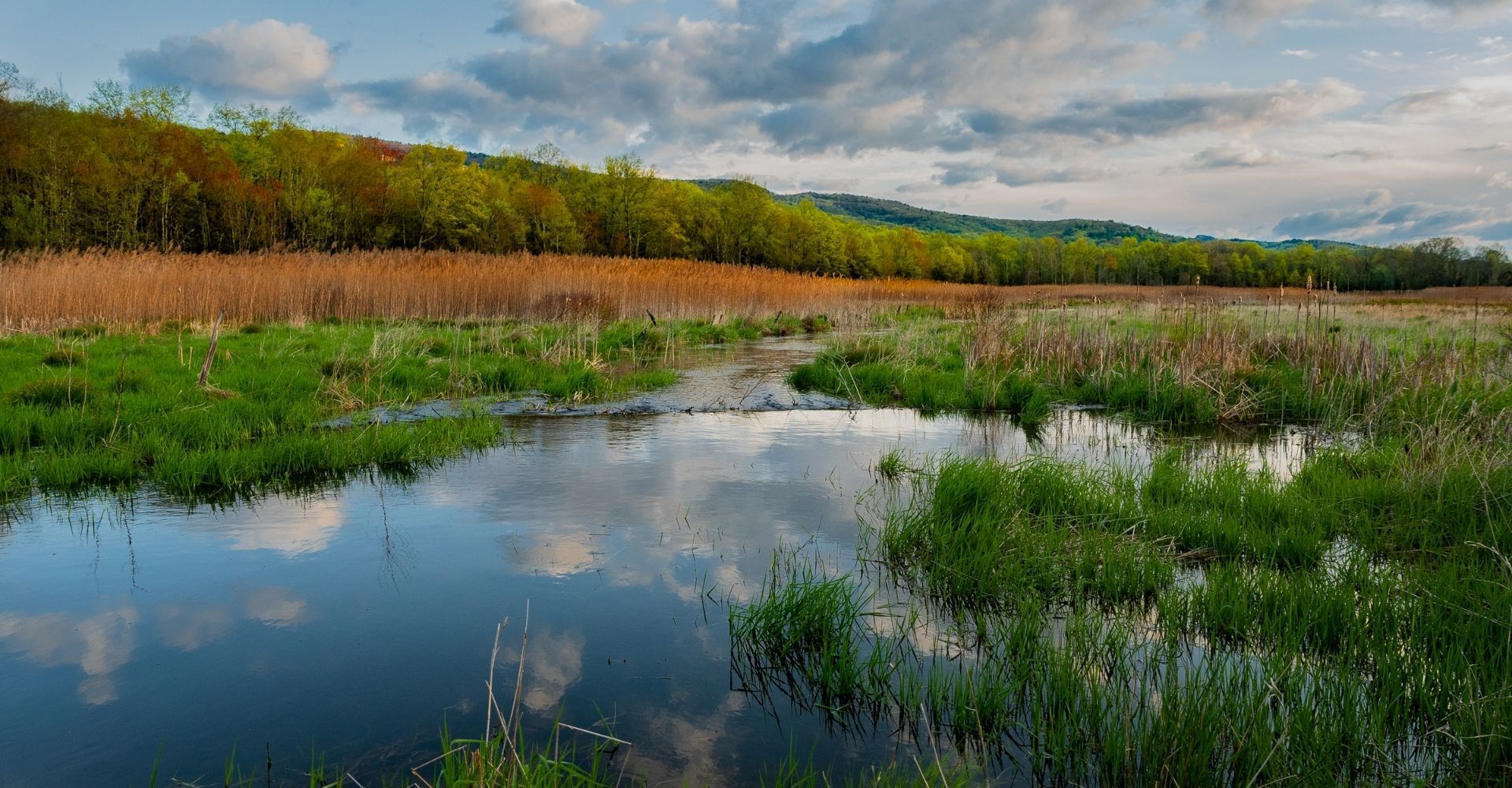
As spring wraps up, we are clearing the clutter by focusing on what matters most: doing all we can to protect the northern Shawangunk Ridge. As you focus on your own spring cleaning, we remind you to organize your wishes, ensuring they also support the individuals and causes closest to your heart. With our partner, FreeWill, you can write or update your Will in just 20 minutes at no cost.
No matter your stage in life, this step allows you to protect your loved ones, plan for the distribution of all your assets, and gain peace of mind. And if you choose to include a gift to Mohonk Preserve in your plans, you build a lasting legacy that will protect this remarkable landscape and safeguard the wildlife that call it home.
Seasonal Photo Gallery
View seasonal photographs by our volunteer photographers below!
See more photos by the Mohonk Preserve Volunteer Photographers on their Facebook page.

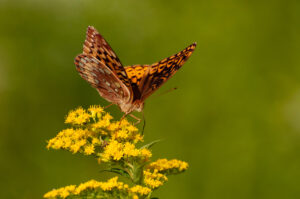
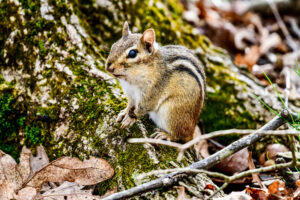
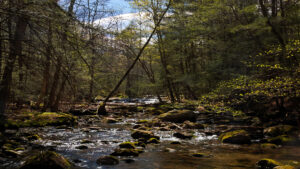
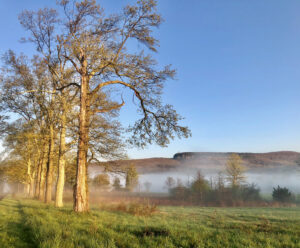


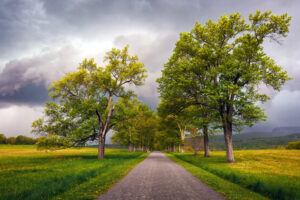


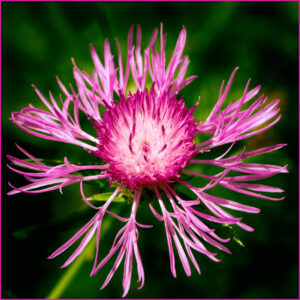
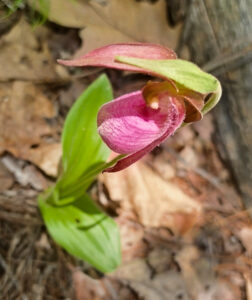

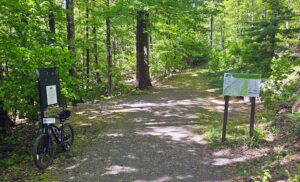

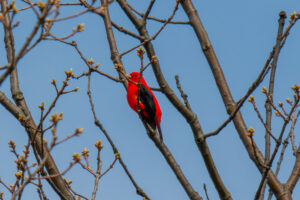
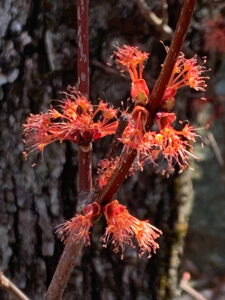
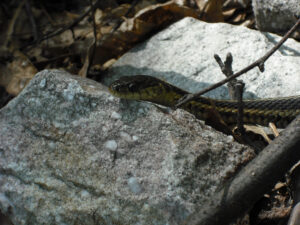


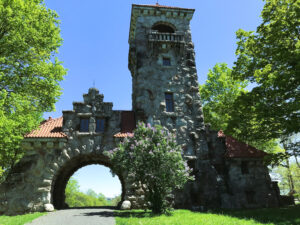

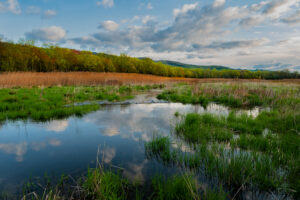
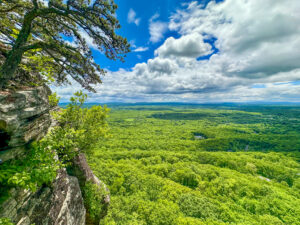
Spring on the Shawangunk Ridge: Fox Kits Sighted
Seasonal Updates
Get Into Nature! See a full list of upcoming programs here including Afro-Latin Dance Evenings, Evening and Early Morning Yoga and Sunset Sound Healing.
In Appreciation: Celebrating the support that fuels our mission. See the full In Appreciation list here of Memorial and Honorary Gifts, Premium Members, and Business Members received January 1 through March 31, 2026.
Check This Out:
Art Exhibit: The Art of Nature and Pine Needle Poetry, an exhibit of pastel paintings by Cathy Copeland and foraged fiber art by Maureen Newman will be on display for the month of June. Learn more here mohonkpreserve.org/artshow
2025 Annual Report: Discover how nature and community came together in 2025. See the numbers, stories and milestones that defined our year. Read the report here mohonkpreserve.org/who-we-are/year-in-review/
Become a Trailhead Ambassador: Play a vital role in welcoming new and returning visitors to the Preserve during the busy summer and fall seasons. Sign up for a volunteer shift at the Welcome Boulder or Spring Farm and share your love of the land! Training will be provided at the beginning of each shift. Learn more and sign up here.
Call for Artists!: Join Mohonk Preserve and Roost Arts Hudson Valley this fall for the fifth Plein Air Art Walk and Online Auction, an inspirational project connecting land, art and community. Applications are due July 30th. Learn more and apply here roostarts.org/2026-plein-air-walk-mohonk
Explore Ulster County on the Nature Bus: Enjoy free rides & admission to scenic spots in Ulster County! Explore on Saturdays from June through September, alternating between Ridge & River Routes. Mohonk Preserve is a proud partner of the Ulster County Nature Bus. Learn more here ucat.ulstercountyny.gov/routes/nature-bus/
2026 Gunks Climbers Coalition Online Raffle: Enter the GCC Online Raffle for a chance to win over 60 prizes while supporting local climbing conservation. From gear to guiding, they’ve got the goods to get you primed for an amazing season of rock climbing. Raffle drawing is on July 1st, learn more here.e gunksclimbers.org/gunks-news/2026-raffle/
Check out our upcoming exciting events:
- 29th Annual Benefit Auction on Saturday, September 19, 2026
- Plein Air Art Walk on Saturday, October 10, 2026
- Shawangunk Grit on November 7, 2026
Mohonk Preserve Business Members: Thank you to all our Business Members. See the full list of Mohonk Preserve Business Members in our area guide.