
Restoring the Kleine Kill Stream Corridor
What is Happening Now
Tune in to hear how science-based restoration and long-term monitoring are helping restore natural stream processes and support a healthier ecosystem.
In this video update, Mark Carabetta, SLR Consulting Senior Project Manager and Water Resources Engineer, Matt Trueheart, SLR Consulting Water Resources Engineer and Mohonk Preserve Staff Megan Napoli, Associate Director of Conservation Science & Research, Jax Mack, Applied Forest Ecologist and Chuck Reid, Director of Stewardship, discuss efforts to restore the Kleine Kill watershed and stream corridor.
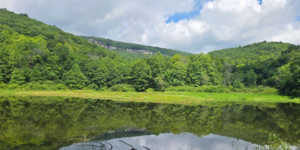
Restoring the Kleine Kill: A New Chapter for Duck Pond
Ridgelines #222 | September 2026
For generations, visitors have come to Duck Pond to rest, reflect, and connect with nature. Now this beloved landscape is entering a new chapter, one that will restore the Kleine Kill to a healthier, more resilient ecosystem for wildlife and people alike.
For more than a century, the Duck Pond dam has impounded the Kleine Kill, creating the pond familiar to many Preserve visitors. Built around 1908, the dam has reached the end of its functional life. Structural deficiencies in the spillway and embankment mean that maintaining the aging structure is no longer a safe or practical option. After years of study, engineering analysis, ecological assessment, and community discussion, Mohonk Preserve is moving forward with a project to remove the dam and restore the Kleine Kill to a free-flowing stream and wetland system.
Massive wetland restoration set for Kleine Kill to heal habitats and defend against floods
by Crispin Kott HV1
August 31, 2026
The Town of New Paltz Planning Board will hold a public hearing on Monday, September 28, for a project intended to restore the Kleine Kill.
The Mohonk Preserve-directed proposal includes the removal of Duck Pond dam, restoration of wetlands and replacement of two culverts with adequately sized crossings. The goal is to return the Kleine Kill stream to a free-flowing state, improve aquatic habitat, reduce flood risks and enhance climate resilience, while restoring native vegetation and streamflow dynamics.
The project is being funded with a $1.1 million award granted last September by the New York State Department of State’s Coastal Rehabilitation and Resiliency Projects Program.
Mohonk Preserve Awarded $1.1 Million for Kleine Kill Stream Restoration Project
On September 26, 2025, Mohonk Preserve was awarded $1.1 million from the New York State Department of State’s Coastal Rehabilitation and Resiliency Projects Program for dam removal and restoration of the upper portion of the Kleine Kill stream to a free-flowing state.
The project will improve aquatic habitat, reduce flood risks and enhance climate resilience, while restoring native vegetation and streamflow dynamics.
Mohonk Preserve partnered with SLR Engineering to develop shovel-ready plans through hydrological studies, ecological assessments and dam stability evaluations. Pre- and post-construction monitoring and invasive species removals will be led by the Preserve’s Conservation Programs team, ensuring long-term ecological health and biodiversity.
The project aligns with New York State’s climate-adaptive design principles, emphasizing nature-based solutions to mitigate flooding, sedimentation and habitat disruption.
Governor Kathy Hochul announced the grant as part of $30 million in funding from the 2022 Clean Water, Clean Air and Green Jobs Environmental Bond Act, supporting 19 projects statewide that strengthen community resilience to extreme weather and climate change. This award builds on a previous $600,000 grant from the Department of Environmental Conservation’s Water Quality Improvement Program (WQIP), bringing total public investment to $1.7 million toward a project expected to exceed $2 million.
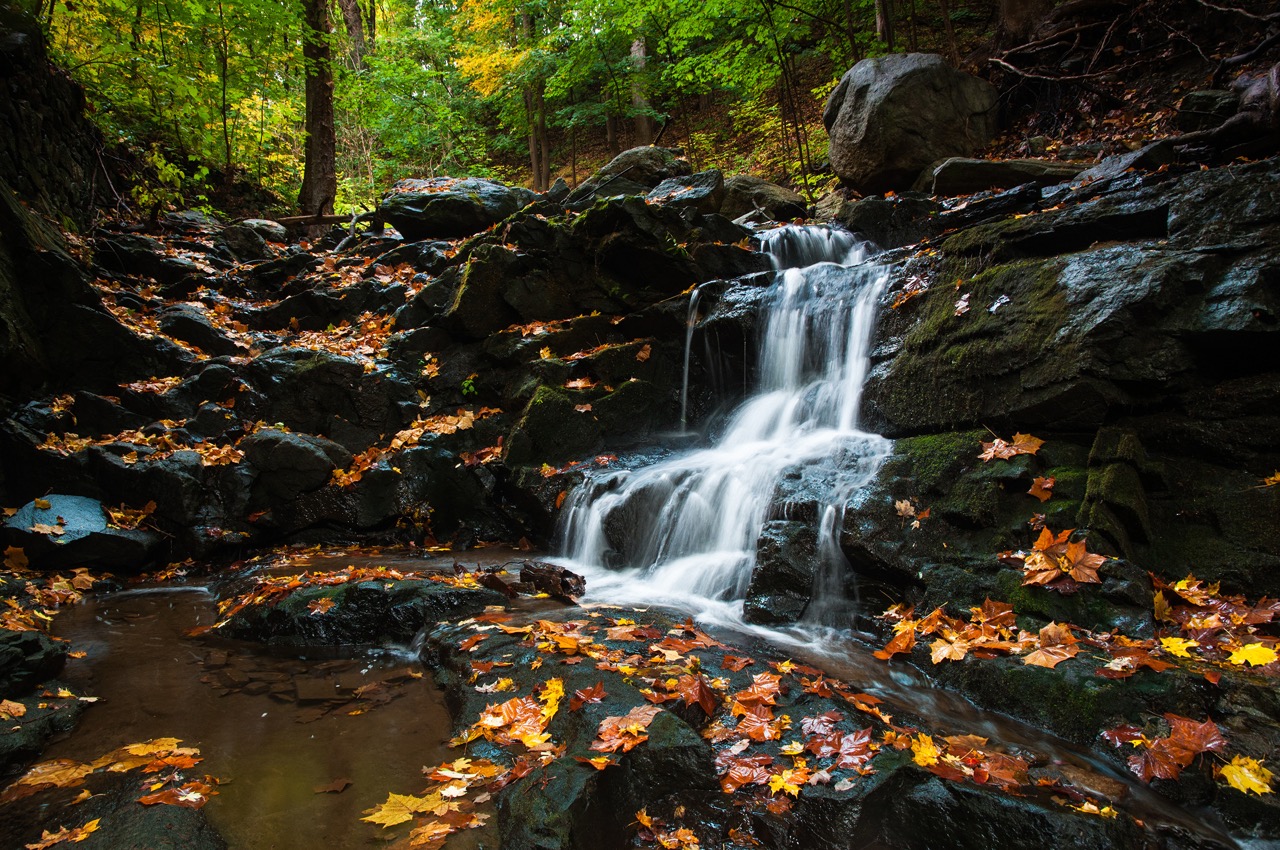
Photo by Renee Zernitsky
September 2025 Project Update
Mohonk Preserve and professional engineering firm SLR Consulting have been working on implementation of a remediation plan to restore the Kleine Kill stream corridor including upland wet meadows and ponding.
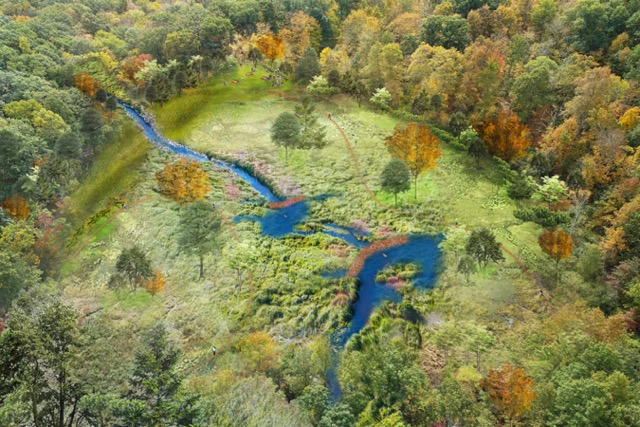
SLR Engineering has completed the initial design phase of Mohonk Preserve’s Kleine Kill Restoration project. This work included test borings of potential carriage road crossings; a field survey of the dam, pond and Kleine Kill stream channel; preparation of base maps depicting existing conditions at the project site; an aerial flight and creation of a high-resolution orthophotograph of the channel, pond and dam; an updated hydraulic assessment; development of an overall concept for ecological restoration, and creation of two professional planning illustrations depicting the proposed restoration concept.
Next steps include reconvening the Kleine Kill Restoration Project subcommittee, including Stewardship and Conservation staff and volunteers, to review the initial design plans, and initiating the permit process with the New York State Department of Environmental Conservation.
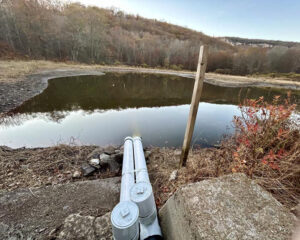
Mohonk Preserve’s Stewardship team members continue to monitor and manage the water levels through a manual siphon system to stabilize the spillway. The water levels may fluctuate in response to seasonal temperature and precipitation changes.
Mohonk Preserve’s Conservation staff are continuing their environmental assessment surveys and monitoring of existing vegetation and wildlife. Discussions are also underway to develop a strategy with the Ulster County Soil & Water Conservation District to begin pre-planting the watershed this fall with native, high-value species including willows, dogwoods and elderberries.
The Preserve has also implemented a chronolog, an environmental monitoring platform that enables public participation in time-lapse photography projects. Chronologs are used in parks, nature centers, wildlife organizations, schools and museums and allow visitors to take a photo with their cell phone from a fixed position and upload the photo to a cloud-based data server. A chronolog site has been established at the seating area overlooking the upper watershed to encourage the community’s help with recording the restoration process.
The Kleine Kill chronolog website address is https://www.chronolog.io/site/MPI101.
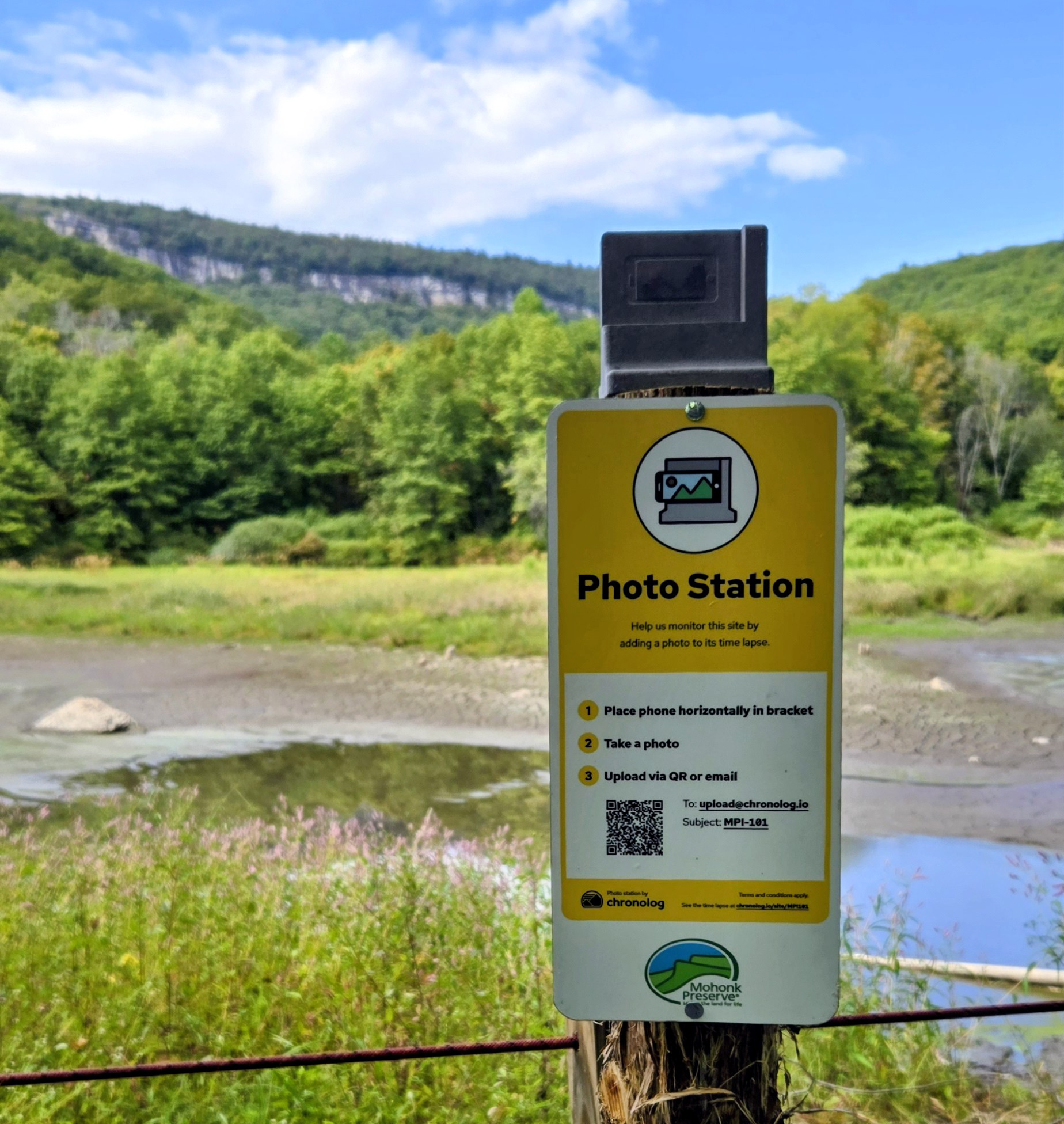
Photo by Chuck Reid
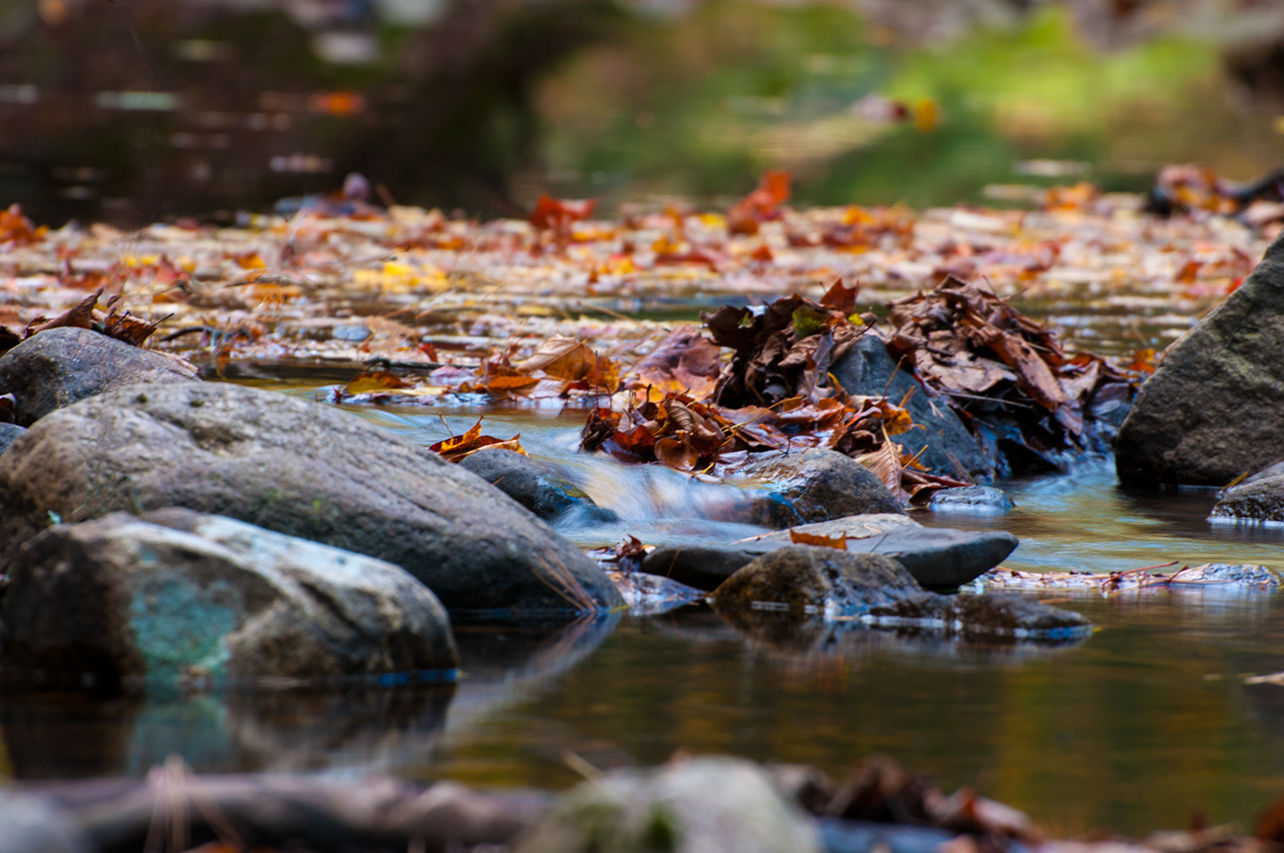
Photo by Renee Zernitsky
March 2025 Public Information Session
On March 18, 2025, Mohonk Preserve staff and Riverkeeper’s Habitat Restoration Team hosted a public information session at the Gardiner Library to discuss the Preserve’s plans to restore the Kleine Kill Stream and remove the failing Duck Pond Dam. The event also featured a screening of Riverkeeper’s documentary “One Dam at a Time.” We’re grateful to our presenters, attendees and to the Gardiner Library for hosting this community outreach event.
Participants learned from Mohonk Preserve Stewardship and Conservation Science staff along with the contractors involved in the removal of the dam and what that means for the restoration of the Kleine Kill and the surrounding land. Click here for a recording of the presentation.
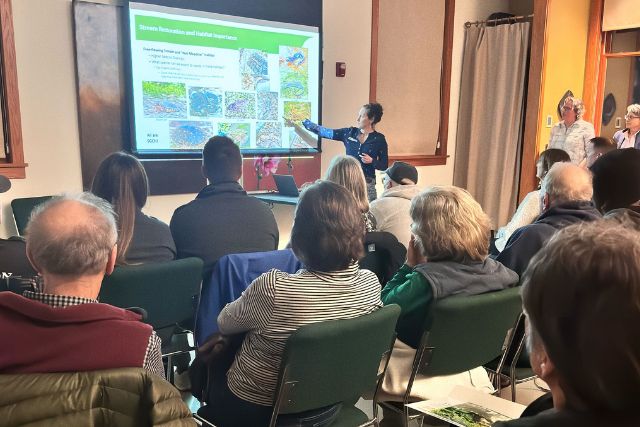
Photo by Winnie Abramson
October 2024 Manage Water Levels, Re-Vegetate, Monitor, & Restore
- In October 2024, the dam’s lower-level outlet drain ceased to flow, requiring the Preserve to install a gravity siphon system to maintain consistent water levels, reducing the hydrostatic pressure on the dam and providing habitat for wildlife
- Natural native re-vegetation will be supported through monitoring and invasive plant control
- Engineering designs will be developed to create an upland wet meadow with ponds, beaver analogs and a
connected stream, maintain carriage road access and develop educational programmatic sites
What Happened at Duck Pond Dam?
Duck Pond was created circa 1908 on the Kleine Kill stream by constructing a stacked stone, earthen fill dam with drain valves for managing water levels.
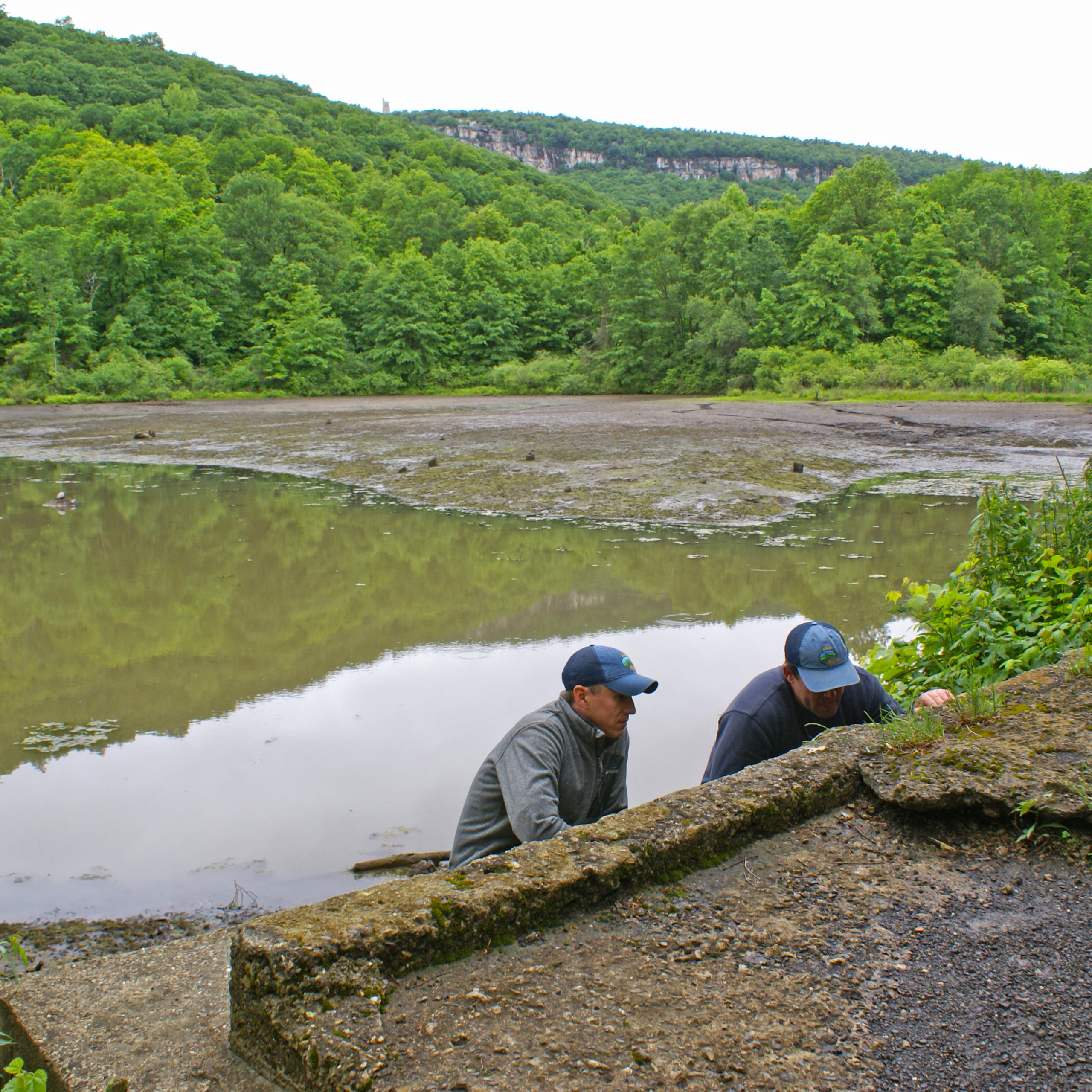
In 2018, the dam’s century-old drainage system failed, reducing the pond’s water level and exposing several severe defects. Water levels began cycling due to a broken drain valve, inlet siltation and rainfall accumulation in the watershed.
An inspection by NYS Department of Environmental Conservation’s Division of Dam Safety identified an unrepairable drain valve, significant water seepage at the toe of the dam, and a critically deteriorating spillway, all of which could lead to impending failure of the dam.
Mohonk Preserve engaged a professional engineering firm to assess the dam and develop a remediation plan. A multi-year study involving volunteer committee members, staff and board members was completed in 2022. After extensive review and consideration, the Preserve determined that the optimal conservation action is to restore the Kleine Kill stream corridor with upland wet meadows and beaver analogs for ponding.
Learn More From Our Colleagues in Conservation:
Undamming The Hudson River – Hudson Riverkeeper
Hudson River Estuary Program – NYSDEC
2019 Watershed Congress Beaver Dam stream restoration methods
Building Like Beavers –
The Nature Conservancy
Restoring Creeks and Rivers with Beaver Dam Analogs – Playlist by Boquet River Association